
Office Address
1829 54th Street SE, Calgary, Alberta T2B 1N5
Phone Number
(587) 333-5116
1829 54th Street SE, Calgary, Alberta T2B 1N5
(587) 333-5116
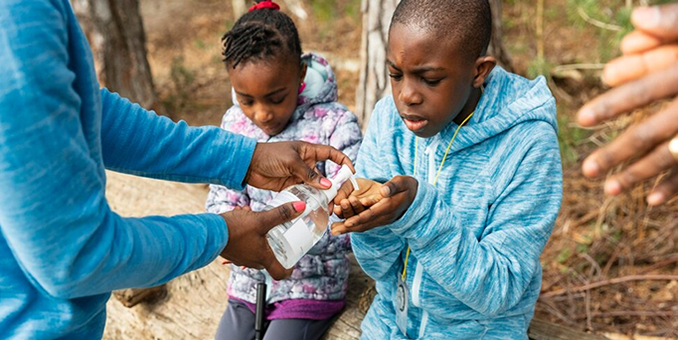
Objective: Provide aid and support to communities affected by natural disasters.
Disaster Relief Initiative: Extending Christ’s Love in Times of Crisis
Objective: Provide aid and support to communities affected by natural disasters, offering immediate relief and long-term recovery resources, while demonstrating the hope and compassion of Christ.
In times of crisis, when communities are shaken by the devastation of natural disasters—whether hurricanes, wildfires, earthquakes, or floods—it is easy for people to feel overwhelmed, lost, and alone. As followers of Christ, we are called to respond with compassion, mercy, and practical support. The Disaster Relief Initiative is designed to be a lifeline for those facing the aftermath of disasters, offering both immediate aid and ongoing support as they rebuild their lives.
In Scripture, we are repeatedly called to care for those who are suffering and in need. Jesus Himself demonstrated compassion for those in distress, whether He was healing the sick, feeding the hungry, or comforting those who mourned. In Matthew 25:35-40, Jesus calls us to care for those who are hurting, saying, “For I was hungry and you gave me something to eat, I was thirsty and you gave me something to drink, I was a stranger and you invited me in…” He connects our acts of mercy to His own presence, telling us that when we serve the least of these, we are serving Him.
The Disaster Relief Initiative is an opportunity to serve Christ by reaching out to people in their greatest time of need. As the body of Christ, we are called to be the hands and feet of Jesus, bringing hope and healing to those affected by tragedy.
The Disaster Relief Initiative is committed to providing comprehensive support to communities that are impacted by natural disasters. Our vision is to be a source of hope and help, offering both immediate relief in the aftermath of disasters and long-term assistance for recovery and rebuilding.
This initiative will focus on:
Ultimately, our goal is to embody Christ’s love in action, demonstrating His compassion and mercy to those who need it most.
The Disaster Relief Initiative will involve several key components that are aimed at providing both immediate and long-term support to communities affected by disasters. These include:
The first priority in the aftermath of a disaster is to meet the immediate physical needs of those affected. Our Emergency Relief Aid will include:
Our goal is to provide immediate relief and ensure that people have access to the essentials they need to survive in the days following the disaster.
In addition to meeting physical needs, we recognize the profound emotional and spiritual toll that natural disasters can have on individuals and families. The Emotional and Spiritual Support component of the initiative will focus on:
We want to be a source of hope, healing, and encouragement, helping individuals and families to find peace amid the pain and uncertainty.
Once the immediate relief phase is over, we will shift our focus to long-term recovery and rebuilding. This includes:
Our vision is not only to help people recover physically, but also to help them rebuild their lives and communities, restoring a sense of hope and resilience for the future.
To maximize our impact and ensure that relief efforts are coordinated and effective, we will partner with local organizations, government agencies, and other churches in the disaster-stricken areas. These partnerships will help us to:
By working together with others, we will strengthen the impact of our relief efforts and provide a united front in the face of disaster.
The Disaster Relief Initiative will have a profound impact on the communities we serve. The immediate aid and long-term support will offer survivors the help they need to recover physically, emotionally, and spiritually. Here’s how we believe this initiative will make a difference:
When communities are devastated by disaster, it is easy for people to feel abandoned, hopeless, and forgotten. Our initiative will demonstrate that they are not alone. Through our efforts, we will show that the church is a place of refuge, hope, and support. By offering tangible aid and emotional care, we will bring light to the darkest of circumstances, helping people find hope in the midst of their trials.
By providing both immediate relief and long-term recovery assistance, we will help communities not only survive but thrive again. Rebuilding homes, offering job support, and educating families on disaster preparedness will help people rebuild their lives and be more resilient in the face of future challenges. This will foster a spirit of unity, strength, and hope as communities come together to heal and rebuild.
Ultimately, the Disaster Relief Initiative is an opportunity to reflect Christ’s love and compassion in a very real and tangible way. As we serve those affected by disaster, we are offering more than just material help—we are offering the love, hope, and salvation of Christ. Our efforts will point people to the ultimate source of healing and restoration, encouraging them to trust in God’s provision and care, no matter the circumstances.
There are many ways for you to support the Disaster Relief Initiative and make a difference in the lives of those affected by natural disasters:
The Disaster Relief Initiative is a call for us to be the hands and feet of Christ, responding to the urgent needs of those affected by natural disasters. By providing aid, support, and hope in times of crisis, we demonstrate the love and compassion of Jesus in a way that has the power to bring healing, restoration, and transformation.
As we serve those in need, we remember the words of Jesus in Matthew 25:40: “Truly I tell you, whatever you did for one of the least of these brothers and sisters of mine, you did for me.” Let us answer this call, and together, be a beacon of hope in the darkest moments, bringing light, healing, and the love of Christ to those who need it most.
In Christ’s love,
Apostle. Dr. Paul Igbinoghene